


How to Review a Pop Concert Like a Pro: A Checklist for Gig Write-Ups
A practical checklist for reviewing gigs well: gathering detail, reading the room, judging setlist choices and writing up standout moments without falling back on clichés.
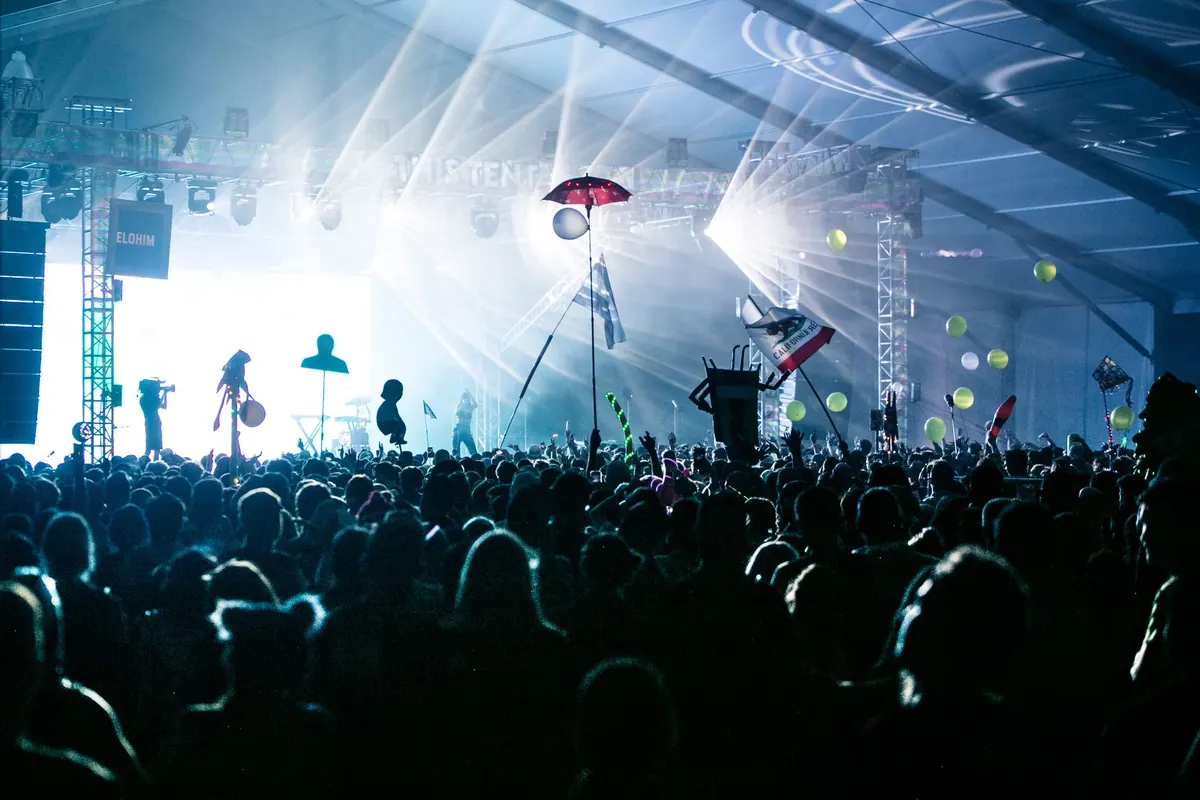
A concert review is not a diary entry. Nobody needs to know that you had a lovely time and that the sound was muddy in the upper tier. What they need is a sense of what it was like to stand in that room on that night — and whether they should try to get a ticket next time.
That is harder than it sounds. Most weak gig write-ups fail in the same three ways: they list the setlist, they reach for the same handful of adjectives, and they forget the crowd entirely. Here is a checklist worth keeping in your notes app.
Before the doors open: gather raw material
Good reviews are built from detail, and detail has to be collected. Arrive early enough to notice things: the queue curling round the block, the age of the crowd, whether the support act got a fair hearing. Note the venue's quirks — the low ceiling, the pillar blocking the view from the left, the bar queue that swallowed twenty minutes of the set.
Take notes in the room. Short ones. A few words in your phone between songs is enough: red lights, bass in the floor, girl in front crying at track four. You will not remember the specifics tomorrow, however certain you feel tonight. Write down three things you noticed in the first five minutes, before the adrenaline settles and everything starts to blur.
Capture atmosphere through concrete detail
Atmosphere is the hardest thing to describe and the easiest thing to fake badly. "Electric" and "magical" and "buzzing" mean nothing on their own. They only work if you have earned them with something the reader can picture.
Think about the senses that aren't hearing. The heat that builds by the third song. The smell of spilled lager and dry ice. The way the floor moves when eight hundred people jump at once. The moment the house lights drop and the noise swells before anyone has played a note.
If you want to describe a feeling, anchor it to a thing. Instead of "the atmosphere was intense", try: the pit opened up during the second chorus and didn't close again until the lights came up. Same claim, but now the reader can see it.
Interrogate the setlist choices
The setlist is evidence, not filler. Don't just print it — read it.
- The opener. Did they walk on with the biggest hit, or hold it back? Both choices say something about confidence.
- New material. Where did the unreleased songs sit, and did the room stay with them? A new track in slot three is a statement; a new track buried before the encore is often a retreat.
- The mid-set dip. Nearly every gig has one. If the crowd drifted during a three-song run, say so, and identify why.
- The omission. What didn't they play? The song everyone expected and didn't get is often the most interesting thing about the night.
- The encore. Was it earned or obligatory? Two songs and a wave is a different ending from a twenty-minute finale.
Pick the two or three songs that genuinely shifted the room and describe those properly. A list of twenty titles tells the reader nothing about the performance.
Read the crowd energy honestly
The audience is half the gig, and reviewers routinely ignore it or reduce it to "the crowd went wild". Look for specifics instead. When did the singing start, and was it the whole room or just the front few rows? Did the seated section stand up, and at what point? Was there a hush — a real one — during the quiet song?
Contrast matters. If the balcony was flat while the floor was frantic, that is a detail worth a sentence. If the crowd knew every word to the new single but nothing off the second album, that tells you where the career is heading. Note the small human moments too: the father lifting a child onto his shoulders, the two strangers who arrived separately and left as friends. Used sparingly, they do more work than a paragraph of praise.
Spot the standout moments — and pick one
The best moment of a gig is rarely the biggest hit. It might be a stripped-back arrangement, a vocal that went somewhere unexpected, a cover dropped in without warning, a band introduction that turned into five minutes of chaos, or a technical fault handled with good humour.
You cannot describe everything well. Choose one moment, slow it down, and give it a paragraph. Then let two or three others pass in a sentence each. Reviewers who try to cover all twenty songs evenly end up with something that reads like a spreadsheet.
Write it up with a shape
A review needs a beginning, a middle and an end, just like the gig. Open with the scene or the sharpest observation, not with the ticket price. Use the past tense, active verbs, and keep the artist's name out of every other sentence.
Include one honest criticism. A review with no reservations reads like a press release, and readers stop trusting it. It doesn't have to be damning — a muddy mix, a sagging middle section, a rushed ending — but it has to be true.
Keep the setlist dump out. Reference songs where they illuminate a point, not as a substitute for describing the performance. And resist reviewing the audience's behaviour at length; your reader wants the show, not a complaint about the tall man in front of you.
Last checks before you file
Read it back and ask four questions. Does the first paragraph make someone want to keep going? Could a reader who wasn't there picture the room? Is there at least one specific detail they will remember tomorrow? Have you said something about the artist's performance, rather than just about your evening?
Then check the practical things: names spelled correctly, song titles accurate, venue right, running times sensible. File it while the ringing in your ears is still there — the memory fades faster than you think, and the details you scribbled at half eleven are the ones that will make the piece sing.
Photo: Wendy Wei / Pexels